Who they are
CMC+Co, founded in 2005 in Canada, helps enterprises manage telecom expenses, with more than 50 clients across industries.
04 / Case study · CMC+Co
From telecom documents to cost visibility.
CMC+Co, founded in 2005 in Canada, helps enterprises manage telecom expenses, with more than 50 clients across industries.
Rising telecom costs pushed CMC+Co’s clients toward automated expense tracking and real-time insight. CMC+Co wanted AI-assisted analytics, automated billing review and centralized dashboards to bring those costs under control.
Enterprise telecom information sat scattered across carrier contracts, invoices and manual audits. CMC+Co’s teams needed a consistent way to inspect charges, compare plans and understand spending without rebuilding the same picture by hand.
What it was costing them. Manual billing processes left enterprises with error-prone invoices, slow audits and poor visibility into spending, so overcharges went unnoticed and costs kept climbing.
Automated billing analysis surfaces errors and overcharges for review.
Analysts generate a report instead of assembling one by hand.
Outcomes as recorded in the QuantumByte enterprise case-study portfolio (2025). The percentages are the engagement’s own reporting, not an independent audit.
Designed solutions
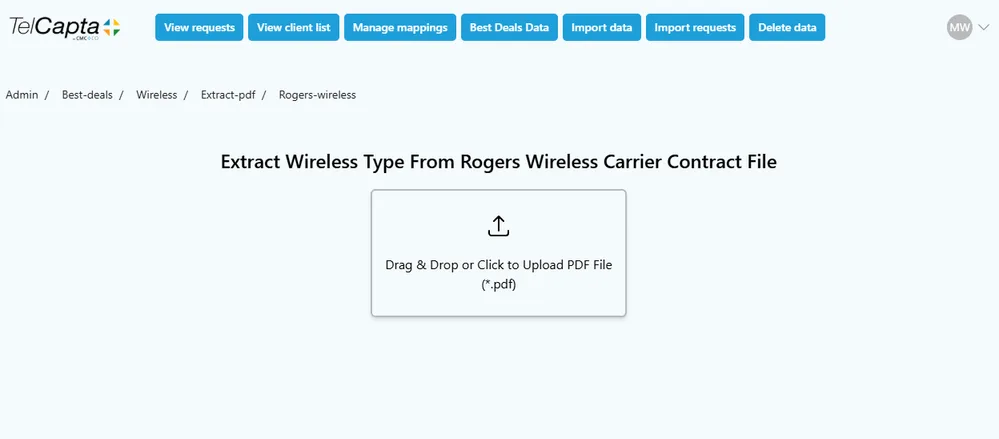
Analysts upload carrier contract PDFs and the system extracts wireless-plan information.
Structured plan records can be searched, filtered by carrier and reviewed with verification status and source references.
Billing analysis surfaces potential errors and overcharges for review.
One view of telecom billing supports cost allocation and spending visibility.
A chat interface answers usage and plan-comparison questions from structured, source-linked records.
Cost-saving recommendations and generated reports give the team material it can act on.
The workflow
Analysts upload carrier contracts and connect the relevant billing data.
Plan information is extracted into searchable records with source references.
Analysts review invoices, usage, plan options and allocations in one workflow.
They use the analysis interface to inspect a specific usage or plan question.
They generate a report for the next cost-management decision.
Where else this applies
| Industry | Fit | Why |
|---|---|---|
| Financial services | High | Many sites and devices, strict audit requirements and a clear appetite for verified savings. |
| Healthcare | High | Distributed clinics and regulated communications make invoice auditing and allocation valuable. |
| Retail | Medium | Store networks run on mixed carriers and plans that are hard to compare by hand. |
| Government and public sector | Medium | Procurement rules reward documented cost review, though approval cycles are long. |
| Logistics | Medium | Large mobile fleets and data plans create recurring, reviewable spend. |
Kevin led delivery with the Quantum team: contract ingestion, the billing-analysis workflow and the dashboards analysts review.
Tell me where the workflow breaks today and who carries it. I’ll tell you what the smallest useful slice would be, and whether I’m the right person to build it.